As organizations increasingly rely on ServiceNow to streamline their operations, managing user access and navigation also becomes increasingly important. This NOW You Know article explores an essential aspect of Service Portal maturation: controlling user traffic and ensuring proper redirection to improve both security and the user experience.
The process of maturing a Service Portal involves more than just building out Catalog items and adding a few widgets or reports. Controlling portal traffic and making sure end users are being routed to the correct place is just as important. Many times a company will want to route users who have a valid ServiceNow account, but no ServiceNow roles directly to their Service Portal upon login to prevent these users from accessing the main UI. This can be accomplished if the company incorporates a single sign on option or not.
Redirecting Users without a role
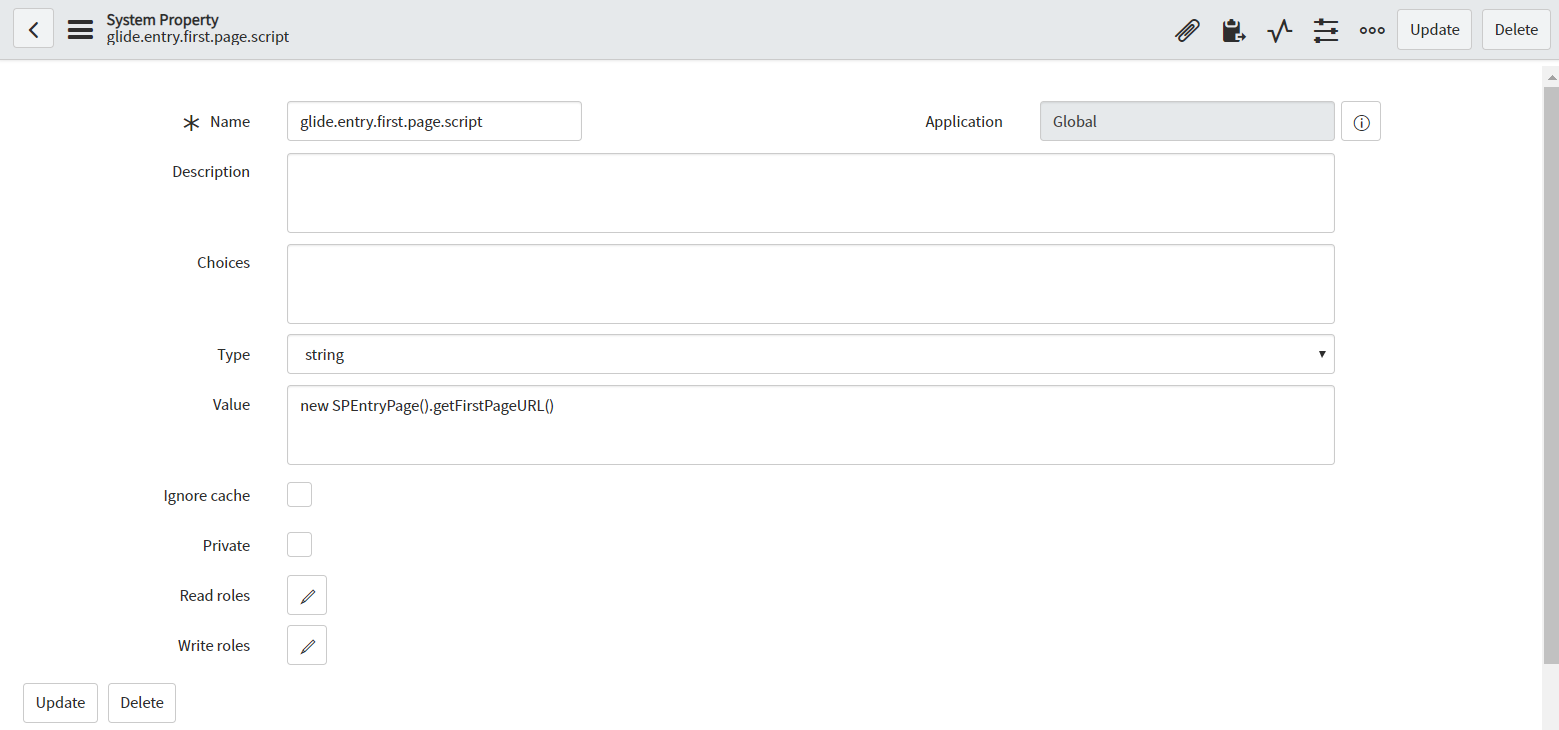
The good news with redirecting users to the portal is that a lot of the work is already done. ServiceNow has an out of the box Script Include that is controlled by a pair of system properties to automatically route users to the (baseline) service portal (/sp). To set this up you simply need to add (1) property to the sys_properties (table) and by default all users that do not have a role will be automatically pushed to the baseline service portal.
To create the new property follow these steps:
type “sys_properties.list” in the filter navigator and press enter
check to see if the “glide.entry.first.page.script” property already exists (if it doesn’t click NEW at the top of the list view)
Name: “glide.entry.first.page.script“
Value: “new SPEntryPage().getFirstPageURL()“
Click SAVE
At this point, any user that does not have a role assigned to their user profile will be automatically redirected to the baseline service portal.
Redirecting Users without specific roles
You might come across a scenario where you want to redirect all users who do not have a specific role to the service portal. This can be easily accomplished by implementing the above mentioned System Property and altering a baseline Script Include called “SPEntryPage“.
To automatically redirect users to the service portal if they do not have a particular role:
Go to System Definition/Script Include module and search for the script include called “SPEntryPage“.
We will be altering line #69 (it looks like this)

by altering the script to include a role such as “itil” it will redirect all users that do not have the “itil” role (or the admin role because admin is included by default) directly to the service portal.
your altered script should look like this:

Debugging
The script include referenced above has a logging function built in. You can simply set line 21 to true to log information about the user logging in and why they were redirected.

With these strategies, you can make significant strides to improve your Service Portal’s functionality and user management. These methods are a powerful control option in your ServiceNow environment. Remember to use the built-in debugging feature to fine-tune your implementation for a smooth user experience.
By redirecting users to the Service Portal, organizations can improve the overall user experience within the ServiceNow environment. This approach helps ensure that users can easily access the necessary resources and functionality, streamlining their interactions and increasing productivity.
The Service Portal serves as a centralized hub for ServiceNow users, providing a intuitive and customizable interface that aligns with the organization's specific needs and workflows. By directing users to this portal, companies can optimize service delivery, enhance user engagement, and promote efficient self-service capabilities.
Controlling ServiceNow Traffic Flow
Effective management of ServiceNow traffic is crucial for maintaining a seamless user experience and optimizing system performance. By leveraging the built-in script include and system properties, organizations can automatically route users to the Service Portal, ensuring that they are directed to the appropriate entry point for their ServiceNow interactions.
This traffic control mechanism allows companies to enforce role-based access and ensure that users without specific permissions are redirected to the Service Portal, where they can access the necessary resources and functionality. This approach helps maintain a streamlined and efficient ServiceNow environment, enhancing overall productivity and user satisfaction.
Optimizing ServiceNow System Configuration
Configuring the ServiceNow system to automatically redirect users to the Service Portal is a crucial step in enhancing the user experience and controlling traffic flow. By leveraging the available system properties and script includes, organizations can seamlessly implement this functionality and ensure that users are directed to the appropriate entry point.
This optimization process involves setting up the necessary system properties, such as the "glide.entry.first.page.script" property, and modifying the script include to incorporate role-based access control. By taking these steps, companies can create a more streamlined and user-friendly ServiceNow environment, improving overall efficiency and service delivery.
Leveraging ServiceNow Expertise
Pathways Consulting Group, with its deep expertise in ServiceNow solutions, is well-equipped to assist organizations in optimizing their ServiceNow environment. The company's experienced consultants can provide guidance and support in implementing effective traffic management strategies, including the redirection of users to the Service Portal.
By partnering with Pathways Consulting Group, organizations can benefit from the company's extensive knowledge and best practices in ServiceNow configuration and optimization. This collaboration can help ensure that the ServiceNow system is tailored to meet the unique needs of the business, enhancing user experience, increasing productivity, and ultimately driving greater value from the ServiceNow investment.
risk, it service management, organization, workflow, managed services, servicenow, regulatory compliance, asset management, infrastructure, configuration management database, automation, software asset management, configuration management, cloud computing, customer, asset, customer service, productivity, governance, it infrastructure, analytics, customer experience, efficiency, mobile app, innovation, field service management, digital transformation, audit, risk management, return on investment, knowledge, software as a service, project management, visibility, operational efficiency, retail, system, consultant, mobile app development, architecture, data migration, custom app development, itsm, servicenow managed services, implementation services, servicenow ecosystem, servicenow custom app, servicenow implementation services, service catalog, servicenow solutions, servicenow service, customer service management, service now consultant, servicenow consultancy, servicenow consultant, servicenow implementation partner, supply chain, implementation, customer satisfaction, database, user experience, server, leverage, knowledge management, devops, ecosystem, scalability, user experience design, business process, provisioning, enterprise software, data model, landscape, itil, competitive advantage, customer engagement, microsoft dynamics 365, workforce, empowerment, expert, cyber resilience, health care, information technology, css, logistics, culture, chatbot, patient, outsourcing, strategy, vulnerability, onboarding, consumer, client, change management, revenue, document, policy, inventory, nursing, therapy, leadership, custom solutions, research, accounting, email address, executive search, mentorship, strategic planning, human resources, employment, medical, pathways consulting, leadership development, continuing education, nurse, mission, nursing excellence, financial planning, pathway, understanding, pain, nursing home, training, certification, accounts payable, release, servicenow itsm, servicenow consulting, servicenow consulting services, procurement, methodology, machine learning, transparency, cloud management, energy, intelligence, workflows, order management, implementation partner, service level management, professional services, enable, servicenow implementation, service management, consulting firms, application management services, servicenow platform, servicenow consultants, sciencesoft
Frequently Asked Questions
What services does ServiceNow provide?
ServiceNow provides a range of IT and enterprise management services, including service management, operations management, business management, and employee workflows, all delivered through its cloud-based platform.
What does a ServiceNow consultant need to know?
A ServiceNow consultant needs to have a deep understanding of the ServiceNow platform, including its capabilities, configuration, and customization options, to effectively design and implement solutions that address the client's specific requirements.
What does a ServiceNow consultant do?
A ServiceNow consultant helps organizations implement, configure, and customize the ServiceNow platform to streamline their IT processes, improve service delivery, and enhance operational efficiency.
Does ServiceNow offer consulting services?
ServiceNow offers consulting services to help organizations leverage the platform's capabilities and achieve their digital transformation goals.
What industries benefit from ServiceNow solutions?
ServiceNow solutions are beneficial for a wide range of industries, including healthcare, finance, IT, manufacturing, and government, as they help streamline workflows, automate processes, and improve service delivery across various business functions.
How does ServiceNow enhance workflow automation?
ServiceNow enhances workflow automation by providing a centralized platform that streamlines and integrates various business processes, enabling efficient task management, real-time data insights, and seamless cross-functional collaboration.
What features distinguish ServiceNow from competitors?
ServiceNow's distinctive features include its low-code development platform, advanced workflow automation, and comprehensive service management capabilities, setting it apart from competitors in the enterprise software market.
How to customize ServiceNow applications effectively?
Customizing ServiceNow applications effectively involves identifying specific business requirements, leveraging the platform's configuration tools, and aligning customizations with best practices to ensure optimal performance and maintainability.
What are common use cases for ServiceNow?
Common use cases for ServiceNow include IT service management, employee onboarding and self-service, asset management, incident and problem management, change management, and workflow automation across various business functions.
How does ServiceNow support IT service management?
ServiceNow supports IT service management by providing a unified platform that automates and streamlines various IT processes, including incident management, change management, and service catalog, to enhance operational efficiency and improve service delivery.
What certifications are beneficial for ServiceNow consultants?
Beneficial certifications for ServiceNow consultants include the ServiceNow Certified System Administrator, ServiceNow Certified Implementation Specialist, and ServiceNow Certified Application Developer certifications, which demonstrate expertise in ServiceNow platform configuration, implementation, and development.
How to ensure ServiceNow implementation success?
Ensuring ServiceNow implementation success requires a strategic approach, effective project management, and collaboration between the ServiceNow partner and the client organization to align the platform with business goals and user needs.
What integrations does ServiceNow support?
ServiceNow supports a wide range of integrations, including popular enterprise applications, cloud services, and legacy systems, enabling seamless data exchange and streamlined workflows across the organization.
How can ServiceNow improve customer service experience?
ServiceNow can improve customer service experience by providing a centralized platform that streamlines processes, automates workflows, and enables real-time tracking and resolution of customer issues, leading to enhanced efficiency and responsiveness.
What are best practices for ServiceNow configuration?
Best practices for ServiceNow configuration include: aligning configuration with business requirements, implementing robust change management processes, leveraging out-of-the-box features, and regularly reviewing and optimizing the configuration to ensure it meets evolving needs.
How does ServiceNow handle data security?
ServiceNow prioritizes data security through robust access controls, encryption, and compliance with industry standards to protect client information.
What roles exist within ServiceNow consulting?
The roles within ServiceNow consulting typically include ServiceNow Architects, ServiceNow Developers, ServiceNow Administrators, ServiceNow Business Analysts, and ServiceNow Project Managers, each with specific responsibilities in implementing and managing ServiceNow solutions.
How to manage ServiceNow updates and upgrades?
Effectively managing ServiceNow updates and upgrades involves careful planning, thorough testing, and seamless deployment to ensure minimal disruption to business operations and maximum benefits from new features and enhancements.
What analytical tools does ServiceNow provide?
ServiceNow provides a range of analytical tools, including built-in dashboards, custom reporting, and advanced analytics capabilities to help organizations gain insights and make data-driven decisions.
How to measure ServiceNow project success?
Measuring ServiceNow project success involves assessing key performance indicators such as user adoption, productivity gains, process improvements, and cost savings achieved through the implementation.
What training is available for ServiceNow users?
Training available for ServiceNow users includes ServiceNow certification courses, instructor-led training, and self-paced online learning modules to enhance their skills and knowledge of the platform.
How does ServiceNow facilitate change management?
ServiceNow facilitates change management by providing a centralized platform to streamline the change process, automate workflows, and track changes across the organization, enabling efficient and controlled implementation of updates and modifications.
What are the costs associated with ServiceNow?
The costs associated with ServiceNow can vary depending on the specific requirements of the organization, such as the number of users, the features and functionalities needed, and any customization or integration requirements.
How to troubleshoot common ServiceNow issues?
Troubleshooting common ServiceNow issues involves identifying the problem, checking logs, testing configurations, and leveraging ServiceNow's knowledge base and community resources to find solutions and resolve the underlying issues.
What is the role of ServiceNow in DevOps?
ServiceNow plays a crucial role in DevOps by providing a centralized platform for streamlining IT workflows, automating processes, and enabling collaboration across development and operations teams, thereby enhancing the efficiency and speed of software delivery.
How to create reports in ServiceNow?
Creating reports in ServiceNow involves accessing the Reports application, configuring report parameters, and selecting desired data fields and filters to generate customized reports based on your requirements.
What are the advantages of ServiceNow cloud solutions?
The advantages of ServiceNow cloud solutions include scalability, reduced IT infrastructure costs, enhanced security, and seamless software updates, enabling organizations to focus on core business objectives.
How does ServiceNow enable collaboration among teams?
ServiceNow enables collaboration among teams by providing a centralized platform that facilitates real-time communication, task management, and data sharing, allowing teams to work together seamlessly and efficiently towards shared goals.
What is the future of ServiceNow consulting?
The future of ServiceNow consulting lies in the growing demand for comprehensive and tailored solutions that leverage the platform's capabilities to drive digital transformation and streamline business processes.
How to leverage ServiceNow for process optimization?
Leveraging ServiceNow for process optimization involves streamlining workflows, automating repetitive tasks, and leveraging the platform's robust capabilities to enhance operational efficiency and drive continuous improvement within an organization.