Need an easy way to streamline communication in ServiceNow? Fortunately, ServiceNow provides a solution to help keep your team and stakeholders connected directly within the platform. Let’s walk through the setup process so you can keep everyone in the loop and on task.
It is possible, from the context of a ServiceNow record, to send emails via the ServiceNow interface. This functionality is offered by what is known as the email client. The email client is baseline functionality, which is configured by default to be available on Incident and Change. The email client can be made available on additional tables by accessing that table’s dictionary’s Collection record and adding “email_client=true” to the record’s attribute list.
From the table’s form, the email client is accessed by clicking the three dots in the header of a record’s form, which will reveal an icon labeled “Email.” Clicking on this item will open the email client.
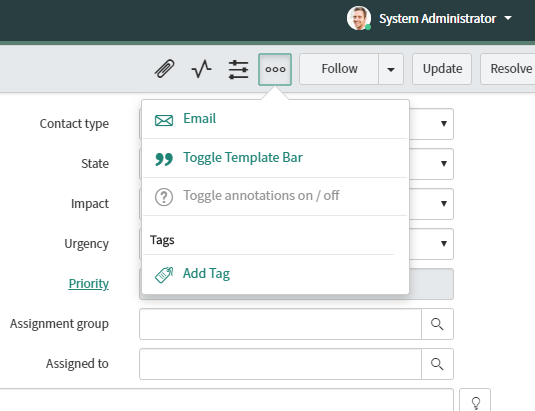
From within the email client, emails can be composed for the purposes of communicating with users externally.
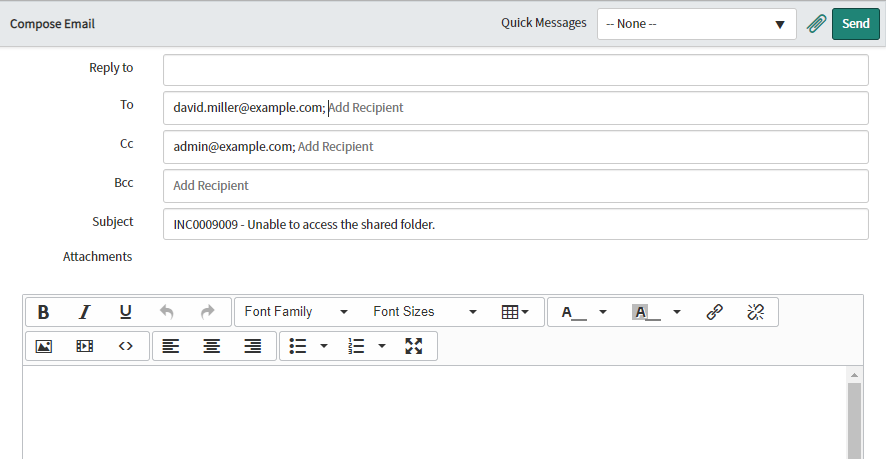
The default values for the To, CC, BCC, Subject, and email body fields can be defined via a Client Template, which in turn can be defined for the table the email client is accessed from, while also taking into account filter conditions, allowing multiple templates for the same table, based on the context. Client Templates are accessed from the System Policy > Email > Client Templates module.
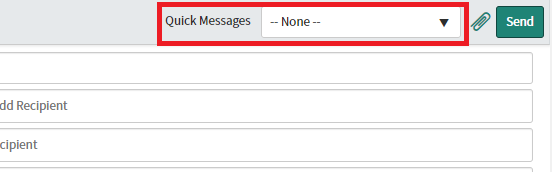
Quick messages can also be configured to allow for standardized, often-sent messages to be delivered with minimal effort. This can be useful for fulfillers if their initial ticket-acknowledgment correspondence is always the same, barring minor details. To select a quick message, a user should access the dropdown menu in the upper-right corner of the email client form. Selecting a message from the dropdown replaces the email body contents with the contents of the Quick Message.
In addition to the above, you can also configure other properties of the email client.
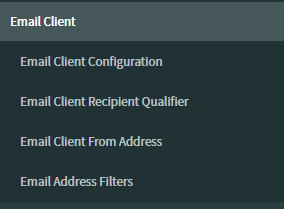
Email Client Configuration lets you build configurations for each table that utilizes the email client. You can choose recipient qualifiers (defined below), whether to display “From” and/or Reply-To fields, and if any email address filters should apply (also defined below).
Email Client Recipient Qualifier lets you define what records are valid to be selected as recipients from within the email client’s auto-complete feature, which field on those records contains the email address the email should be sent to, what the display value should be, and any additional display values in the event that there are duplicates. You can also define filters to omit records as necessary.
Email Client From Address lets you define ‘From’ addresses that outgoing emails should display.
Email Address Filters lets you choose predefined black or whitelists to define who email client emails can be sent to.
While the above technical tip has been provided with care and consideration, it’s important to acknowledge that individual circumstances may vary. Always ensure compatibility and feasibility within your specific ServiceNow environment before implementing any suggestions. Additionally, back up your data and proceed with caution when making any changes to your instance or workflows.
As with any change in ServiceNow, make sure you test any changes prior to moving to production.
To access the email client within ServiceNow, users can click the three dots in the header of a record's form, which will reveal an icon labeled "Email." Clicking on this icon will open the email client, allowing users to compose and send emails directly from the ServiceNow platform.
The email client can be made available on additional tables by accessing that table's dictionary's Collection record and adding "email_client=true" to the record's attribute list, further expanding the accessibility and functionality of the email feature.
Configuring Email Client Templates
The default values for the To, CC, BCC, Subject, and email body fields can be defined via a Client Template, which can be configured for the specific table the email client is accessed from. These templates can take into account filter conditions, allowing multiple templates for the same table based on the context.
This customization feature enables users to set up standardized email templates, streamlining common correspondence and reducing the effort required for users to compose and send emails within the ServiceNow platform.
Utilizing Quick Messages
The email client in ServiceNow also supports the use of Quick Messages, which are pre-configured, often-sent messages that can be easily selected and sent with minimal effort. This feature can be particularly useful for fulfillment teams or other users who frequently send similar initial ticket-acknowledgment correspondence.
To select a Quick Message, users can access the dropdown menu in the upper-right corner of the email client form, allowing them to quickly and efficiently send standardized communications without the need to compose the message from scratch.
Defining Recipient Qualifiers
The email client's auto-complete feature for selecting recipients can be customized using Recipient Qualifiers. These qualifiers allow users to define which records are valid to be selected as recipients, which field on those records contains the email address, what the display value should be, and any additional display values in the case of duplicate email addresses.
By configuring Recipient Qualifiers, organizations can ensure that users are selecting the appropriate email addresses and contacts when composing emails within the ServiceNow platform, improving the overall email communication process.
risk, it service management, organization, workflow, managed services, servicenow, regulatory compliance, asset management, infrastructure, configuration management database, automation, software asset management, configuration management, cloud computing, customer, asset, customer service, productivity, governance, it infrastructure, analytics, customer experience, efficiency, mobile app, innovation, field service management, digital transformation, audit, risk management, return on investment, knowledge, software as a service, project management, visibility, operational efficiency, retail, system, consultant, mobile app development, architecture, data migration, custom app development, itsm, servicenow managed services, implementation services, servicenow ecosystem, servicenow custom app, servicenow implementation services, service catalog, servicenow solutions, servicenow service, customer service management, service now consultant, servicenow consultancy, servicenow consultant, servicenow implementation partner, supply chain, implementation, customer satisfaction, database, user experience, server, leverage, knowledge management, devops, ecosystem, scalability, user experience design, business process, provisioning, enterprise software, data model, landscape, itil, competitive advantage, customer engagement, microsoft dynamics 365, workforce, empowerment, expert, cyber resilience, health care, information technology, css, logistics, culture, chatbot, patient, outsourcing, strategy, vulnerability, onboarding, consumer, client, change management, revenue, document, policy, inventory, nursing, therapy, leadership, custom solutions, research, accounting, email address, executive search, mentorship, strategic planning, human resources, employment, medical, pathways consulting, leadership development, continuing education, nurse, mission, nursing excellence, financial planning, pathway, understanding, pain, nursing home, training, certification, accounts payable, release, servicenow itsm, servicenow consulting, servicenow consulting services, procurement, methodology, machine learning, transparency, cloud management, energy, intelligence, workflows, order management, implementation partner, service level management, professional services, enable, servicenow implementation, service management, consulting firms, application management services, servicenow platform, servicenow consultants, sciencesoft
Frequently Asked Questions
What services does ServiceNow provide?
ServiceNow provides a range of IT and enterprise management services, including service management, operations management, business management, and employee workflows, all delivered through its cloud-based platform.
What does a ServiceNow consultant need to know?
A ServiceNow consultant needs to have a deep understanding of the ServiceNow platform, including its capabilities, configuration, and customization options, to effectively design and implement solutions that address the client's specific requirements.
What does a ServiceNow consultant do?
A ServiceNow consultant helps organizations implement, configure, and customize the ServiceNow platform to streamline their IT processes, improve service delivery, and enhance operational efficiency.
Does ServiceNow offer consulting services?
ServiceNow offers consulting services to help organizations leverage the platform's capabilities and achieve their digital transformation goals.
What industries benefit from ServiceNow solutions?
ServiceNow solutions are beneficial for a wide range of industries, including healthcare, finance, IT, manufacturing, and government, as they help streamline workflows, automate processes, and improve service delivery across various business functions.
How does ServiceNow enhance workflow automation?
ServiceNow enhances workflow automation by providing a centralized platform that streamlines and integrates various business processes, enabling efficient task management, real-time data insights, and seamless cross-functional collaboration.
What features distinguish ServiceNow from competitors?
ServiceNow's distinctive features include its low-code development platform, advanced workflow automation, and comprehensive service management capabilities, setting it apart from competitors in the enterprise software market.
How to customize ServiceNow applications effectively?
Customizing ServiceNow applications effectively involves identifying specific business requirements, leveraging the platform's configuration tools, and aligning customizations with best practices to ensure optimal performance and maintainability.
What are common use cases for ServiceNow?
Common use cases for ServiceNow include IT service management, employee onboarding and self-service, asset management, incident and problem management, change management, and workflow automation across various business functions.
How does ServiceNow support IT service management?
ServiceNow supports IT service management by providing a unified platform that automates and streamlines various IT processes, including incident management, change management, and service catalog, to enhance operational efficiency and improve service delivery.
What certifications are beneficial for ServiceNow consultants?
Beneficial certifications for ServiceNow consultants include the ServiceNow Certified System Administrator, ServiceNow Certified Implementation Specialist, and ServiceNow Certified Application Developer certifications, which demonstrate expertise in ServiceNow platform configuration, implementation, and development.
How to ensure ServiceNow implementation success?
Ensuring ServiceNow implementation success requires a strategic approach, effective project management, and collaboration between the ServiceNow partner and the client organization to align the platform with business goals and user needs.
What integrations does ServiceNow support?
ServiceNow supports a wide range of integrations, including popular enterprise applications, cloud services, and legacy systems, enabling seamless data exchange and streamlined workflows across the organization.
How can ServiceNow improve customer service experience?
ServiceNow can improve customer service experience by providing a centralized platform that streamlines processes, automates workflows, and enables real-time tracking and resolution of customer issues, leading to enhanced efficiency and responsiveness.
What are best practices for ServiceNow configuration?
Best practices for ServiceNow configuration include: aligning configuration with business requirements, implementing robust change management processes, leveraging out-of-the-box features, and regularly reviewing and optimizing the configuration to ensure it meets evolving needs.
How does ServiceNow handle data security?
ServiceNow prioritizes data security through robust access controls, encryption, and compliance with industry standards to protect client information.
What roles exist within ServiceNow consulting?
The roles within ServiceNow consulting typically include ServiceNow Architects, ServiceNow Developers, ServiceNow Administrators, ServiceNow Business Analysts, and ServiceNow Project Managers, each with specific responsibilities in implementing and managing ServiceNow solutions.
How to manage ServiceNow updates and upgrades?
Effectively managing ServiceNow updates and upgrades involves careful planning, thorough testing, and seamless deployment to ensure minimal disruption to business operations and maximum benefits from new features and enhancements.
What analytical tools does ServiceNow provide?
ServiceNow provides a range of analytical tools, including built-in dashboards, custom reporting, and advanced analytics capabilities to help organizations gain insights and make data-driven decisions.
How to measure ServiceNow project success?
Measuring ServiceNow project success involves assessing key performance indicators such as user adoption, productivity gains, process improvements, and cost savings achieved through the implementation.
What training is available for ServiceNow users?
Training available for ServiceNow users includes ServiceNow certification courses, instructor-led training, and self-paced online learning modules to enhance their skills and knowledge of the platform.
How does ServiceNow facilitate change management?
ServiceNow facilitates change management by providing a centralized platform to streamline the change process, automate workflows, and track changes across the organization, enabling efficient and controlled implementation of updates and modifications.
What are the costs associated with ServiceNow?
The costs associated with ServiceNow can vary depending on the specific requirements of the organization, such as the number of users, the features and functionalities needed, and any customization or integration requirements.
How to troubleshoot common ServiceNow issues?
Troubleshooting common ServiceNow issues involves identifying the problem, checking logs, testing configurations, and leveraging ServiceNow's knowledge base and community resources to find solutions and resolve the underlying issues.
What is the role of ServiceNow in DevOps?
ServiceNow plays a crucial role in DevOps by providing a centralized platform for streamlining IT workflows, automating processes, and enabling collaboration across development and operations teams, thereby enhancing the efficiency and speed of software delivery.
How to create reports in ServiceNow?
Creating reports in ServiceNow involves accessing the Reports application, configuring report parameters, and selecting desired data fields and filters to generate customized reports based on your requirements.
What are the advantages of ServiceNow cloud solutions?
The advantages of ServiceNow cloud solutions include scalability, reduced IT infrastructure costs, enhanced security, and seamless software updates, enabling organizations to focus on core business objectives.
How does ServiceNow enable collaboration among teams?
ServiceNow enables collaboration among teams by providing a centralized platform that facilitates real-time communication, task management, and data sharing, allowing teams to work together seamlessly and efficiently towards shared goals.
What is the future of ServiceNow consulting?
The future of ServiceNow consulting lies in the growing demand for comprehensive and tailored solutions that leverage the platform's capabilities to drive digital transformation and streamline business processes.
How to leverage ServiceNow for process optimization?
Leveraging ServiceNow for process optimization involves streamlining workflows, automating repetitive tasks, and leveraging the platform's robust capabilities to enhance operational efficiency and drive continuous improvement within an organization.